Archaeological research of the field in the Cave of Chufín. Campaign 2025.
The cave of Chufín located in the far west of Cantabria, in the mid-basin of the Nansa river, where the Two pours its waters.
Declared a world Heritage site by UNESCO, the cavity is open to the public at certain times of the year. The subject of many legends of the locals, its archaeological interest was recognized in 1972 by Manuel de Cos.
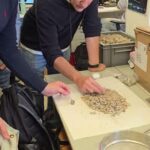
During the campaign of 2025, on the one hand, it has continued with the excavation begun in previous years in the lobby of the cavity, where it has been identified to you the different times in which it has been used as a place of habitat during the prehistory. Highlights of the high density of archaeological materials (tools, quartzite and other materials, faunal remains consumed, etc) related to the use of the cave approximately 18,000 years ago, the period of maximum cold before the end of the last ice age. Below these levels appear to materials chronologies oldest, but in a much more reduced.
On the other hand, the new technologies implemented for the study of cave art have been allowed to locate new paintings and prints in the interior of the cave (horses and bison). All these manifestations have been documented, three-dimensional, so that you can play virtually both for its use in research as well as for dissemination to the general public.
In the end, thanks to the research carried out we can learn more about the use that human groups gave to the cavity both in activities related to daily life (hunting, fishing, food, shelter, etc) as well as with aspects more symbolic, as it represents their rock art.
Since the year 2021 the International institute for Prehistoric Research of Cantabria has resumed the scientific research of this important item of heritage, under the direction of Diego Garate Maidagan. This year, the campaign of archaeological research has been developed during the month of may, before its opening to the public and under the authorization and funding of the Directorate-General of Cultural Heritage of the ministry of Culture, Tourism and Sport of the Government of Cantabria.